

SlopeLab Ratings
First Chair, Last Word
My first trip to Fernie was cut short due to weather, but I was still able to devote two full days to learning about this under the radar spot.
My Verdict: Unpretentious bowl skiing with one of the coolest vibes around, but a few unique quirks that could use improvement.
✅ Pros:
- Consistent powder: Fernie boasts big snow and low traffic, making it a great bet for powder days.
- Five bowl fun: If you like skiing bowls, you’ll be in heaven!
- Less crowded: especially compared to bigger-name resorts
- Quaint, local vibes: and of course, lots of friendly Canadians
- Unique ski town: small, but with great food!
- Budget friendly: lift tickets are reasonable, and town includes lots of affordable hotel and motel options.
❌ Cons:
- Lift infrastructure: compared to major resorts, many lifts are lifts are older, slower, and weirdly disjointed.
- Disappointing operations: not sure if it’s management or the mountain’s avalanche-prone design, but significant portions of terrain are closed, a lot.
- Low elevation: good for the lungs, bad for rain and slush.
Detailed Scores:
Fernie Mountain Stats
350 inches
2,500 acres
3,550 ft
(Summit) 7,000 ft | 3,450 ft (Base)
Photo Gallery
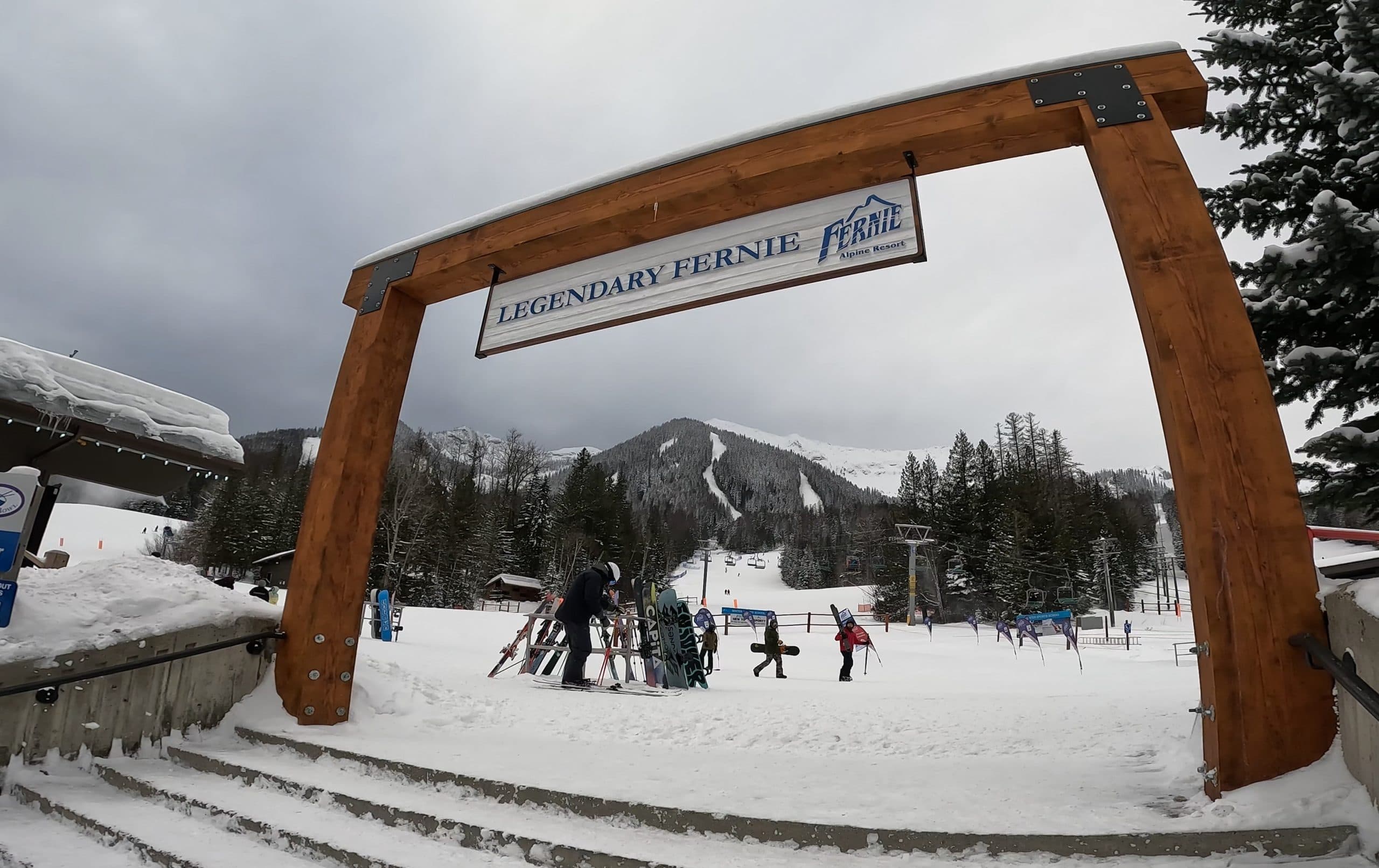
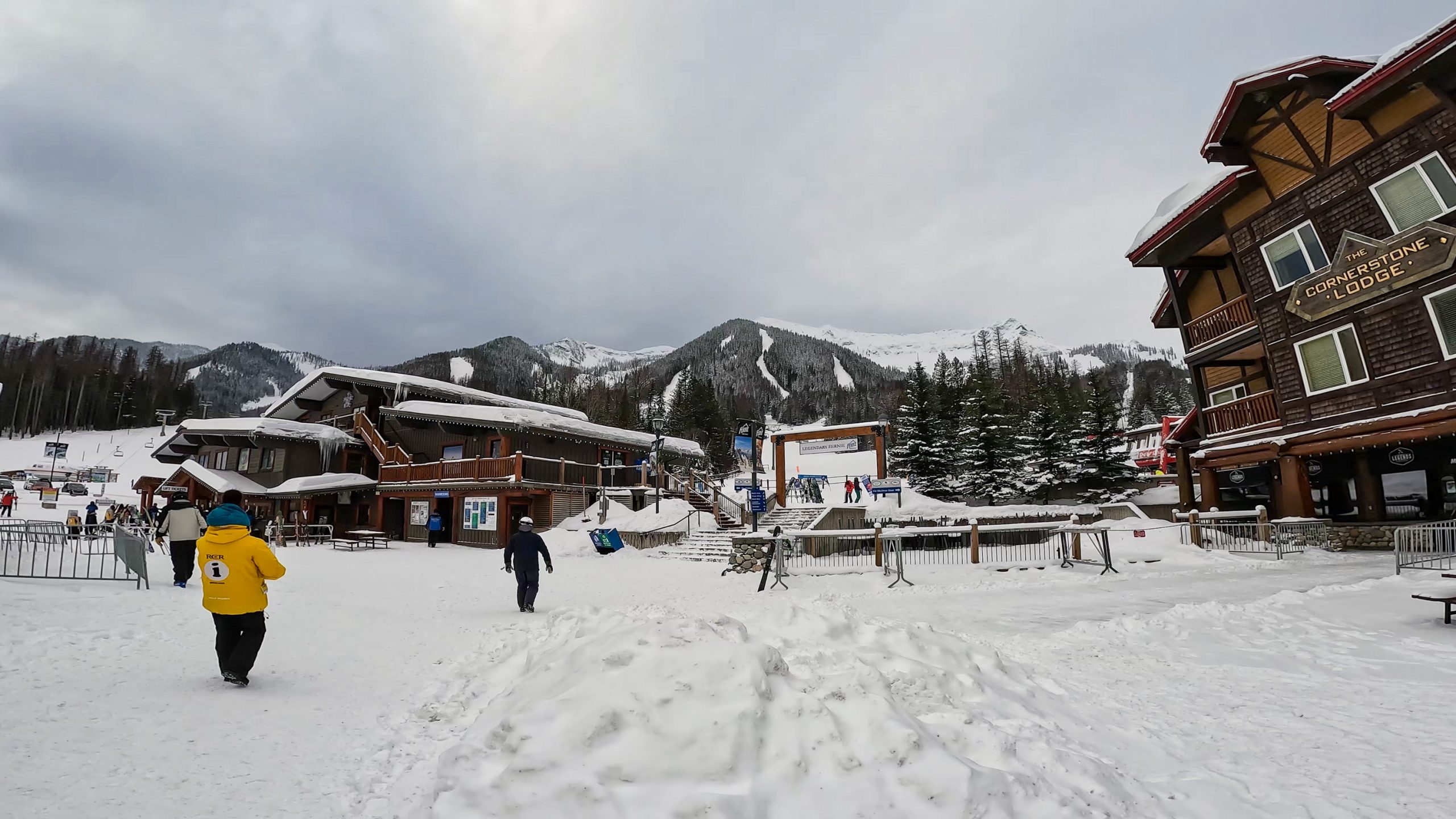
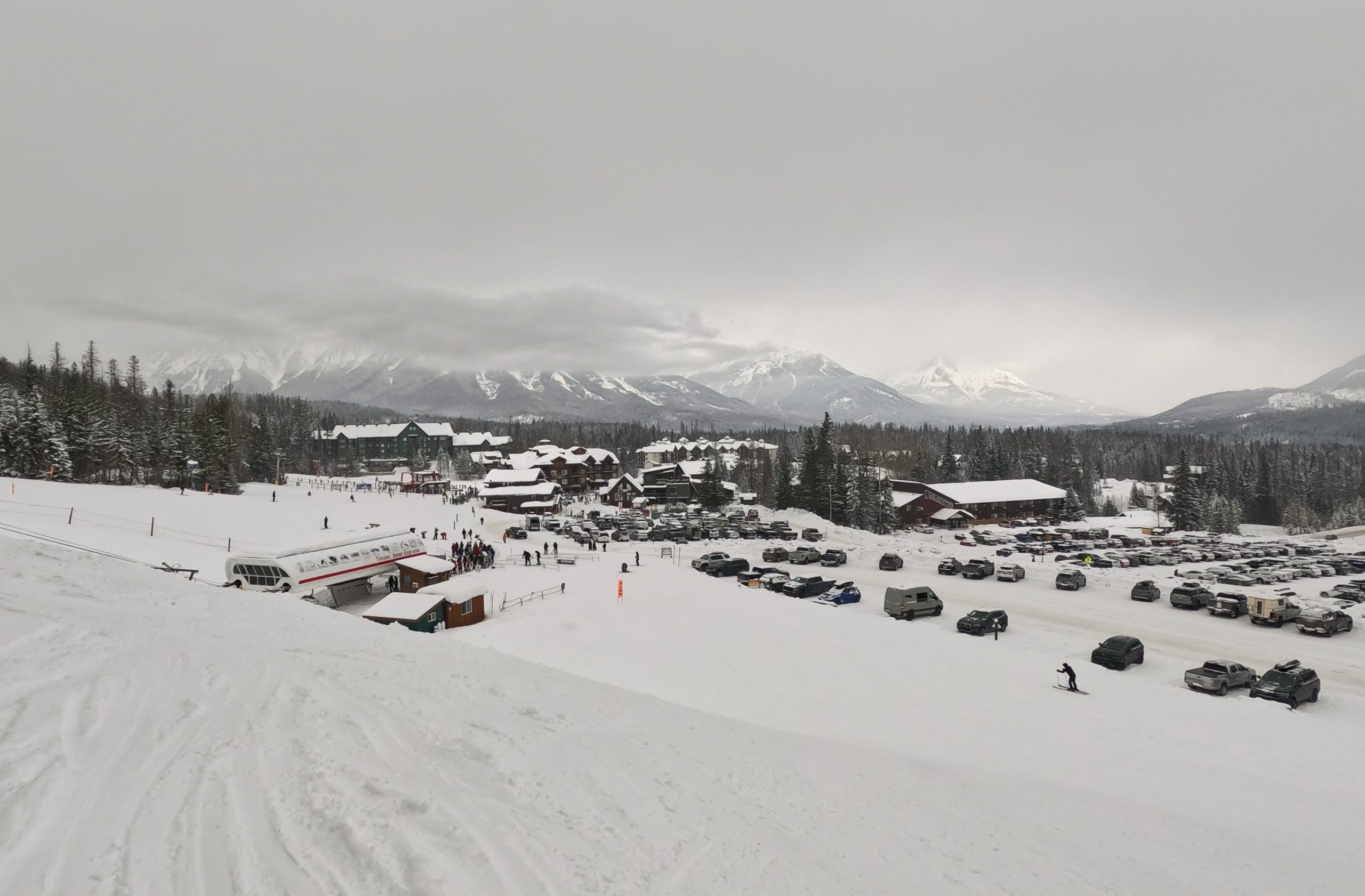
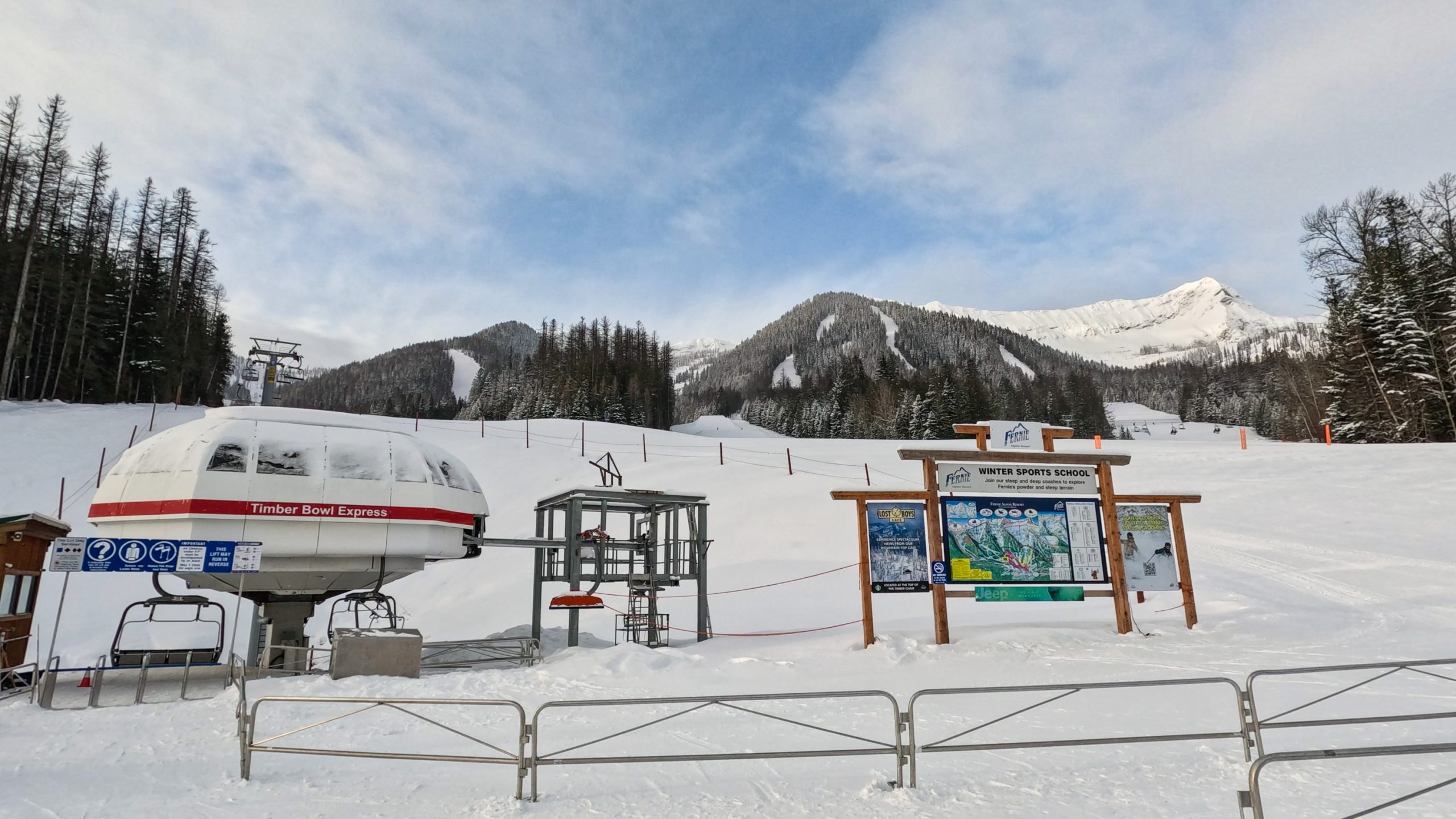
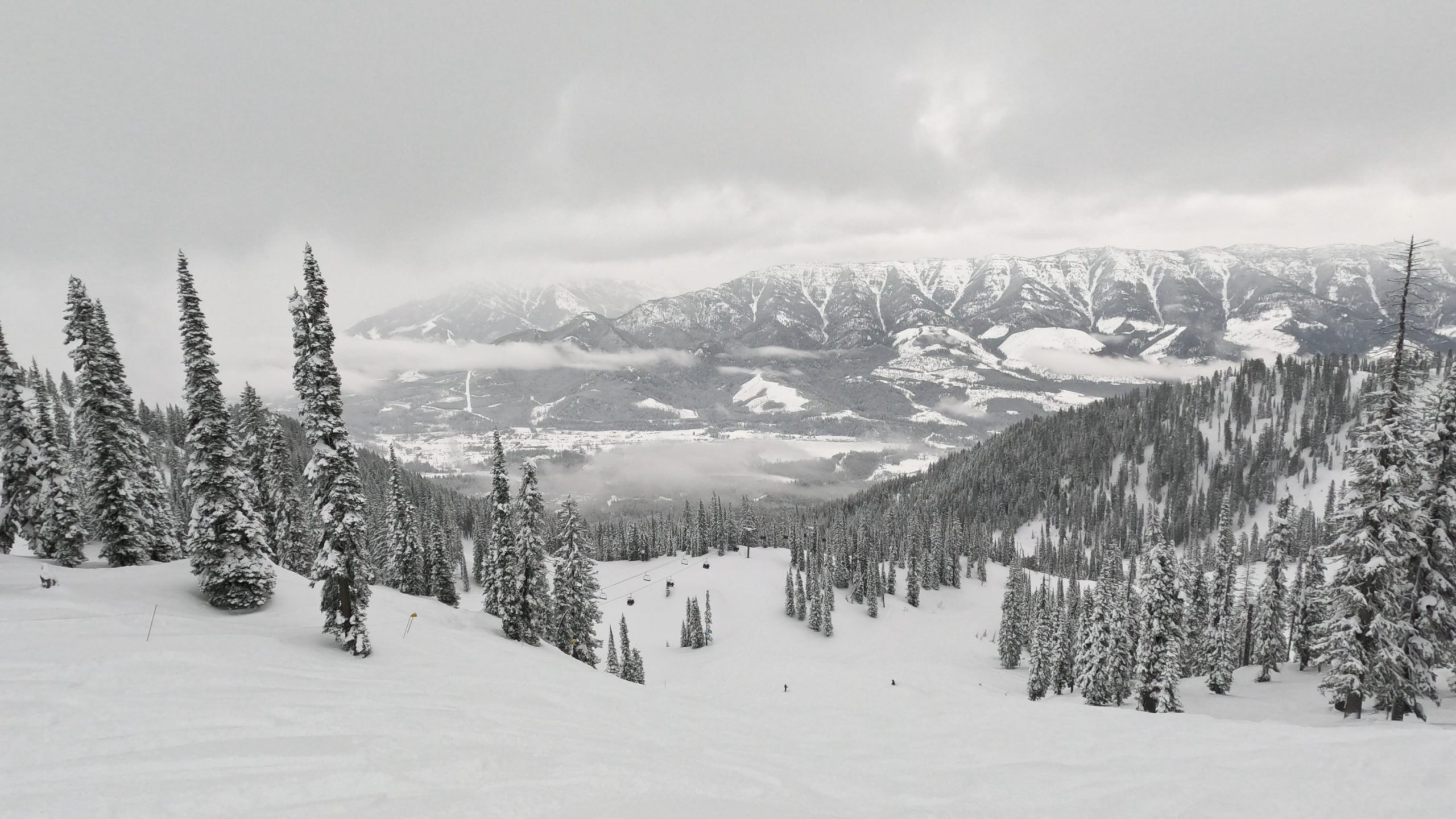

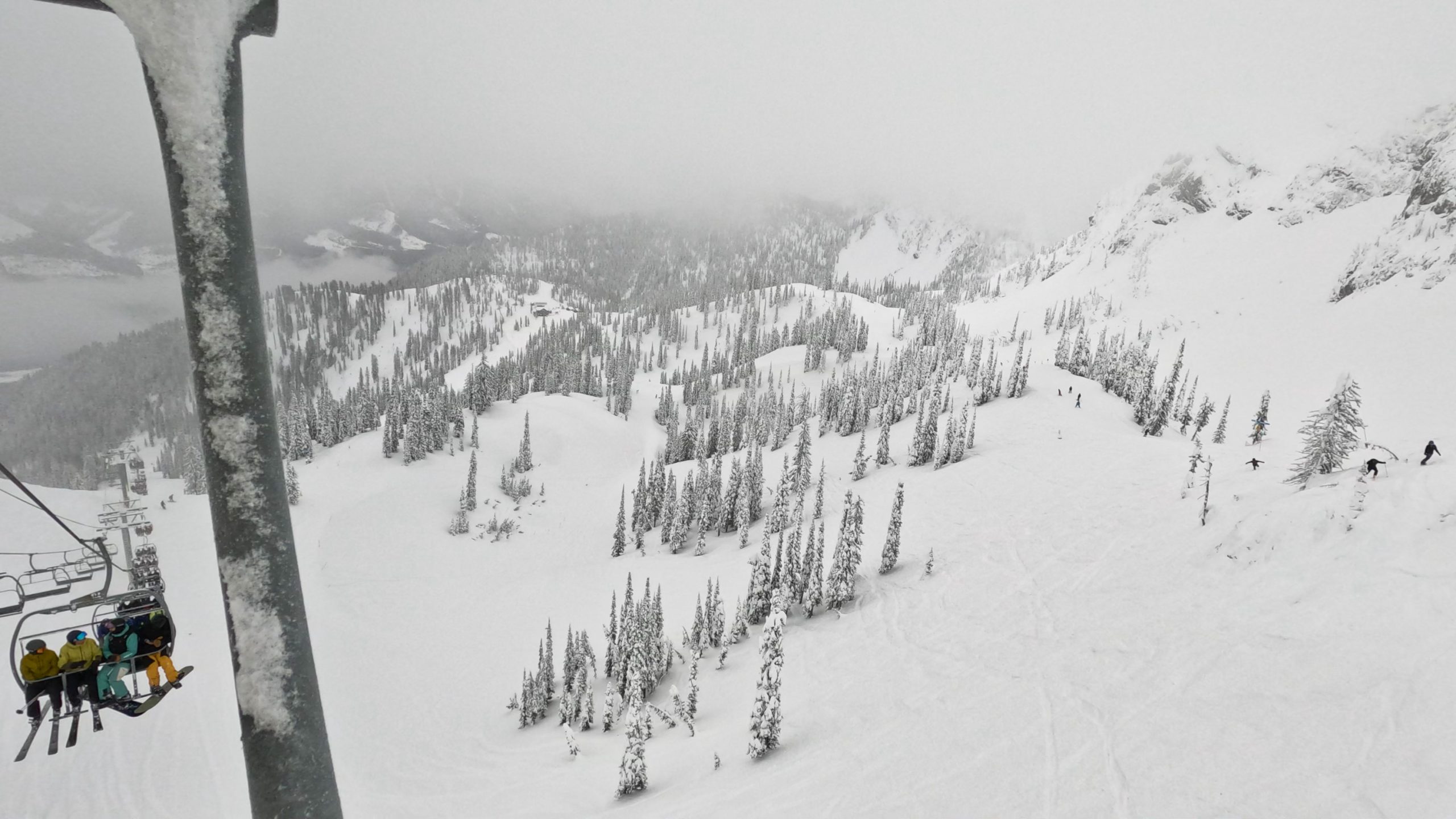
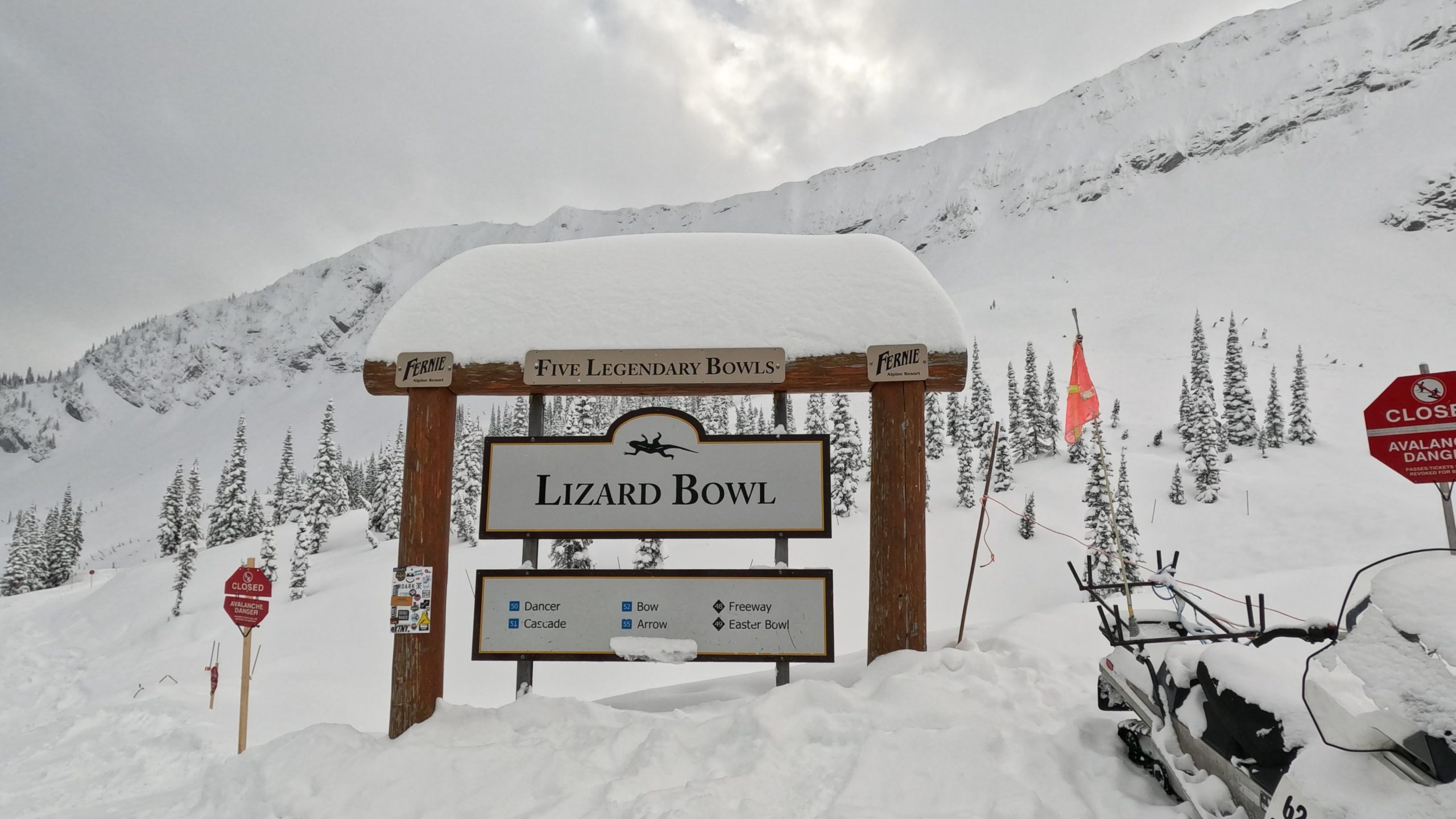


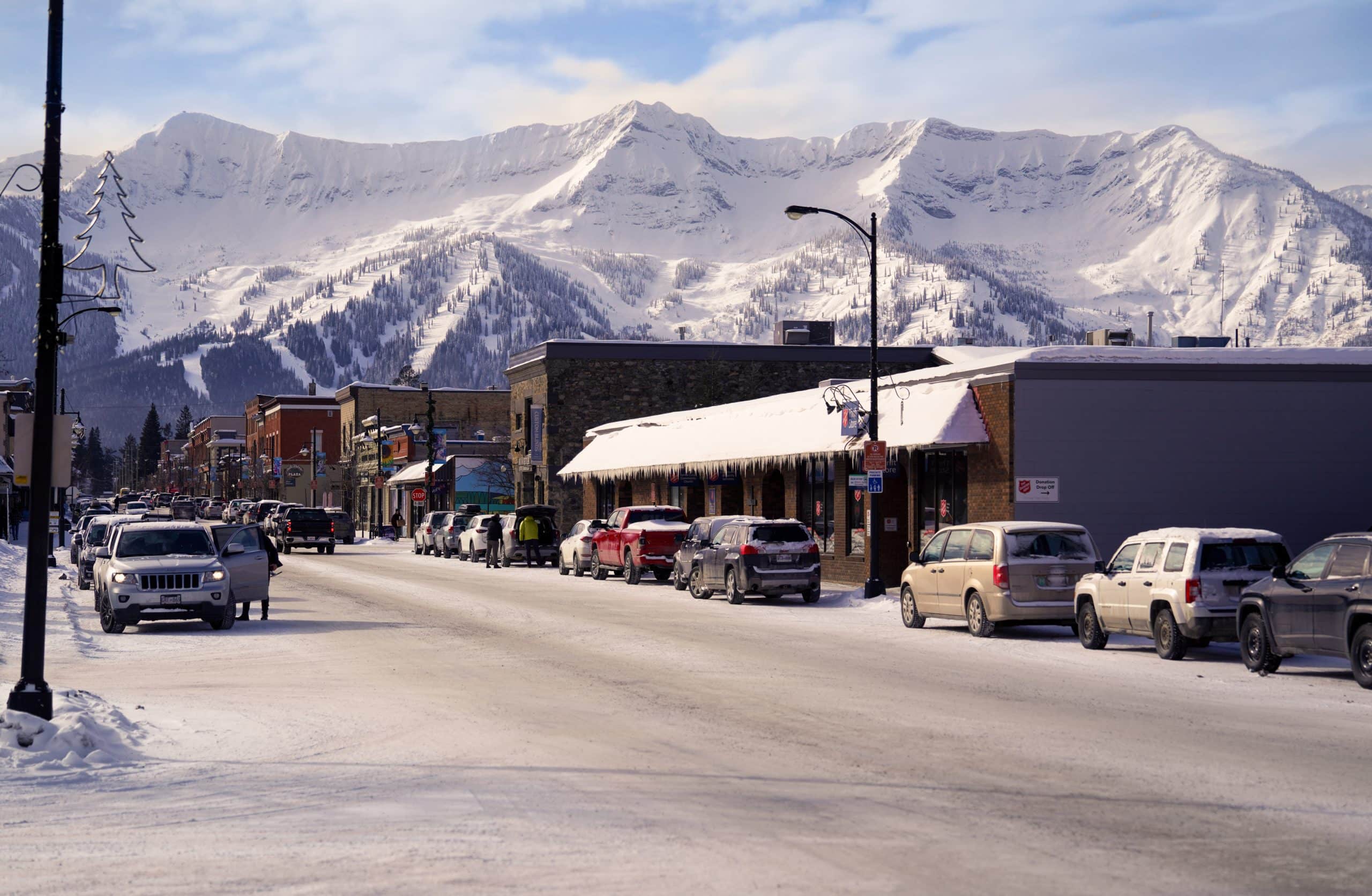
Fernie Alpine Resort Overview
Ah, Fernie.
Too many skiers have never even considered the place. But for those in the know, just the name conjures up dreams of epic powder, endless bowls, and a unique sense of adventure only found in a remote Canadian playground.
Nestled in interior British Columbia’s Kootenay Rockies, if you’re in search of a resort that delivers deep powder and a refreshingly unpretentious atmosphere, Fernie might just be your next must-ski destination.
Fernie Trail Maps

Fernie Lift Info
| Lift | High Speed? | Vertical Rise (ft.) |
|---|---|---|
|
Timber Bowl Express Quad |
Yes |
2,116 |
|
Boomerang Triple |
No |
1,584 |
|
Great Bear Express Quad |
Yes |
1,513 |
|
White Pass Quad |
No |
1,198 |
|
Elk Quad |
No |
991 |
|
Polar Peak |
No |
803 |
|
Deer Chair |
No |
681 |
|
Haul Back T-Bar |
No |
478 |
|
Mighty Moose |
No |
115 |
|
Mini Moose |
No |
17 |
Fernie Terrain Overview
Fernie is renowned for its five alpine bowls – Lizard, Cedar, Currie, Timber, and Siberia. Looking at the trail map, they fan across the entire resort, and in person, they loom like giants above town, teasing their stashed powder and just begging to be explored.
And the resort’s layout encourages exploration, too. Not only does each bowl offer a mix of groomed runs, gladed trees, and wide open steeps, but the lift layout itself is… unique.
Fernie’s lift infrastructure feels like they scored some bargain deals on a handful of machines and then squeezed them into the terrain whichever way happened to fit. Or not. The result is a hodge-podge of slow fixed grips, exactly two express chairs, plus a frequently used T-Bar for good measure. Sure, the lifts will get you to the top of the mountain*, but the rest is kind of up to you.
*This actually might not be true, since Polar Peak — the one chair that takes you to the mountain’s 7,000 ft. summit — is closed nearly every day of the week. (I’ve never had the chance to ski it, and locals tell me it’s usually only open one day per week, maybe.)
How you feel about this will probably depend on your expectations for luxury, mixed with your willingness and/or desire to hunt out stashes. On one hand, the spiderweb of chairlifts can make traveling across the already-wide mountain frustratingly difficult. On the other hand, the lifts’ unusual drop off points leave the bowls themselves mostly pristine. This gives the whole mountain a kind of side-country feel. It’s a really unique vibe and in my opinion, a breath of fresh air in a world of mega-resorts.
P.S. – No intro would be complete without discussing Fernie’s “Old Side” vs. “New Side.” You’ll hear locals use these terms all the time. In their mind, the mountain is split up into two parts – one that got a new chairlift once, and one that didn’t. To get specific:
- Old Side is looker’s right and consists of Lizard Bowl and Cedar Bowl, where, to be fair, most the lifts are a little older and slower. Locals tell me Old Side gets more snow but it’s a slightly lesser quality.
- New Side is looker’s left, where you’ll find Currie, Timber, and Siberia. The elevation is about 1,000 feet higher on this side, which explains the locals’ consensus that the snow quality is usually better, even if it doesn’t get quite as much total accumulation.
Fernie for Beginners
Despite all the hype about high-alpine bowls, Fernie actually sports a surprising number of shorter green trails. The variety is great, but they’re all clustered at the bottom of the mountain and accessed by pretty slow chairlifts.
Again, a tale of two perspectives. Newbies to the sport may appreciate the extra break for the burning quads, but the slow speed of the lifts and their inefficient drop-off points means it may be harder for green skiers to put in as many practice reps as they may like.
The green terrain being relegated to the lower mountain also means beginners won’t usually get the full alpine experience that Fernie is so famous for. (With one exception. Beginners can take Great Bear Express all the way to its top, where they’ll find incredible views of Lizard Bowl to the right, Cedar Bowl to the left, the town of Fernie below, and the absolutely stunning Grizzly Peak above. Tower 6 Trail is the green cat-track that will get them down.)
All in all, Fernie is a bit of a sleeper mountain for beginners.
Fernie for Intermediates
Intermediate terrain at Fernie is pretty limited.
If you’re looking for long groomer zoomers to lap again and again, that’s not really Fernie’s specialty. Instead, the best blues here are mostly wide-open bowl runs, with often variable terrain and multiple lifts required to rack up the vertical.
Cedar Bowl and Lizard Bowl are probably the highlight here. Each has a good mix of groomed blues and bumpy off-piste. Unfortunately, both are somewhat short lived – the blues in Lizard Bowl are quickly intersected by black or green terrain, and the blues in Cedar Bowl don’t have very long fall lines before they all funnel back to the same T-Bar.
Timber Bowl has a similar problem, where the blue terrain often meanders about or flattens out. When trying to get a good carve in, I found myself wishing for some longer and more consistent fall lines.
Advanced Terrain at Fernie
Advanced Terrain is where Fernie really starts to shine.
For skiers capable of handling bumps, steeps, trees, and whatever other variable terrain is hiding in the bowls, Fernie becomes an absolute playground.
Just looking at the trail map, you can see that outside of the lower mountain, the vast majority of Fernie is rated single black. And in person, this holds up. Advanced skiers will have an endless number of choices in every corner of the mountain’s 2,500+ acres.
The advanced terrain on the Old Side is alpine bowls-galore, while the New Side sports a ton of great trees. No matter which route you take, you’ll find advanced options for days!
Expert Terrain at Fernie
Fernie has some really good expert terrain, with some caveats. You’ll notice lots of double-black terrain on the trail map, and like most Canadian resorts, those ratings are well-deserved. Double black at Fernie means legitimate steeps, trees, and technical skiing required. That said, there’s a few caveats to Fernie’s expert terrain:
1. Polar Peak is the best part of the mountain for experts, but it’s almost never open. Seriously, the lift runs maybe once per week… I’ve never seen anything like it.
2. The remaining double blacks are limited to steep shots off the multiple bowls’ ridge lines. Meaning, they’re pretty short runs overall and require a lot of traversing to get to.
3. Fernie’s layout, mixed with the region’s snow quality and quantity, results in the bowls frequently closing for avalanche mitigation. It’s not uncommon for the expert terrain, even outside of Polar Peak, to be closed for days on end after a storm.
How is the snow at Fernie?
Fernie reports one of the most confusing stats in skiing — “average snowfall of up to“ 35 feet per season.
That dubious statistic would be over 400 inches, but more honest trackers, like Tony Crocker from BestSnow.net, report that Fernie actually averages around 350 inches of snow per season.
Still, those are elite numbers that make Fernie one of top 3 snowiest mountains in a region that’s one of the snowiest on the continent. Unfortunately though, like most of Canada, Fernie is a lower elevation ski resort, with a peak altitude of just 7,000 feet, so snow can sometimes get a little wet or even rainy at times.
But when it’s good, it’s good!
Where is Fernie?
Fernie is nestled in Canada’s beautiful Interior British Columbia, just about 100 miles from the U.S. border.
The closest major airports are Kalispell, Montana (2 hour drive) or Calgary, Alberta (3.5 hour drive).
By the way – don’t be fooled like the poorly trained Vail Resorts customer service rep I talked to, who hilariously suggested that I pick up my Fernie pass at fellow Canadian resort, Whistler. The two locations are 8 hours apart!
In any case, Fernie’s location gives the mountain a pretty chill and remote vibe.
Fernie as Ski town
Fernie is a really charming and quirky ski town.
The resort towers over town in one of the more dramatic displays of any ski town. In part, that’s because the resort sits just 7 minutes from the heart of downtown, which means the mountain culture oozes into every part of town.
Main Street is lined with an impressive collection of art shops, clothing stores, and delicious restaurants. And those restaurants are worth emphasizing – this tiny little town rocks some seriously good food. You might not expect Interior B.C. to sport some of the best sushi, Mexican food, or Indian food anywhere, but Fernie’s foodie scene is sure to impress!
Of course, in classic Canadian fashion, everyone is extremely friendly. Don’t be surprised for every bartender, server, shop keeper, and fellow customer to reminisce with you about shredding the day’s pow!
Most lodging consists of down-to-earth hotels and motels near downtown, about 5-10 minutes from the slopes. For those who want a little more isolated luxury, there’s a small handful of ski-in / ski-out options at the resort base.
When is the best time to visit Fernie?
January - March
Because of the lower elevation, you’ll probably want to head to Fernie in the dead of winter, in order to maximize your chances for the best quality snow. (And minimize your chances for rain!)
This means early January to mid-March is your safest bet, with one warning. This is the heart of Canada, so these winter months do carry a risk for brutal cold. (On one of my recent visits, half the mountain was closed due temperature highs of negative 10 degrees Fahrenheit!)
Pack warm!
How are the crowds at Fernie?
Fernie crowds are a breath of fresh air compared to the popular U.S. resorts, and the whole mountain exudes a pretty relaxed and chill vibe.
That said, it does seem like every person in the small town is an avid skier or boarder, so powder days can certainly bring out the peeps. Adding to the challenge is Fernie’s odd and at times inefficient lift system, so lift lines aren’t completely absent. You can expect morning lift line ups at the base, and a couple chair wait throughout the day. I also personally saw one of the craziest rope drops ever here, when hundreds of skiers lined up for hours while waiting for Currie Bowl to open after a storm.
However, Fernie is still pretty remote, and the skiable acreage vastly outnumbers the small town’s population. The runs themselves are usually pretty empty, and at times, downright desolate. This is compounded by the previously discussed lift system and wide-open bowl layout, which spreads skiers out and requires you to work a bit to get the goods. You should have lots of elbow room (and untracked snow!) once you make it up.